

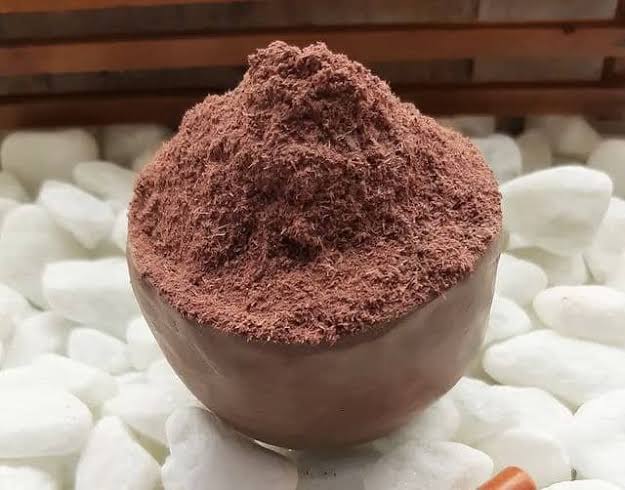
Mimosa hostilis root bark powder is a finely divided botanical material associated with the roots of the Mimosa hostilis plant, also known by its botanical name Mimosa tenuiflora. This plant belongs to the Fabaceae family and is naturally associated with parts of Central and South America, particularly northeastern Brazil and Mexico.
The plant has attracted attention because of its distinctive bark, natural chemical composition, and historical significance in traditional botanical knowledge. Its root bark is commonly discussed in different physical forms, including larger pieces, shredded material, and powder. Information about mimosa hostilis root bark can help readers explore geographical variation in botanical materials.
Understanding Mimosa hostilis root bark powder involves examining its botanical origin, physical characteristics, naturally occurring compounds, geographical background, and scientific importance.
1. Botanical Background of Mimosa Hostilis
Mimosa hostilis is a woody plant belonging to the Fabaceae family, which includes numerous trees, shrubs, and other plant species.
It is particularly associated with dry tropical forests and semi-arid environments. In Brazil, the plant is commonly connected with the Caatinga biome, where vegetation has adapted to seasonal rainfall and extended dry periods. Exploring brazilian mimosa hostilis root bark provides an opportunity to examine regional terminology used in botanical descriptions.
Some of its recognizable botanical characteristics include:
- A woody trunk and branching structure.
- Compound leaves containing numerous small leaflets.
- Small flowers arranged in clusters.
- A developed root system.
- Natural adaptations to relatively dry environments.
These characteristics make Mimosa hostilis an interesting subject for botanical and ecological research. The information on buy shredded mhrb can help readers understand geographical terminology used in botanical descriptions.
2. What Is Mimosa Hostilis Root Bark Powder?
Mimosa hostilis root bark powder refers to the finely divided form of the plant’s root bark. It is physically different from larger bark pieces and shredded botanical material because its individual particles are much smaller.
The powder retains the general botanical identity of the original root bark, although the original fibrous structure becomes less visible after physical processing.
Its commonly described characteristics include:
- A fine or granular physical consistency.
- Reddish-brown to dark-brown coloration.
- Natural variations in appearance.
- Plant-derived fibrous material.
- Differences between individual botanical samples.
It is important to recognize that a powder’s appearance alone cannot confirm its botanical identity, purity, or chemical composition. Information about mimosa hostilis root bark powder provides context for understanding terminology used in botanical discussions.
3. Common Colour Characteristics
Colour is one of the most noticeable physical characteristics associated with Mimosa hostilis root bark powder.
It is generally described as having reddish-brown, dark-brown, or occasionally purple-brown tones.
Several factors may contribute to colour differences.
Natural Plant Variation
Individual plants can have different physical characteristics depending on their biological development and growing conditions. The description of mexican mimosa hostilis root bark introduces geographical terminology used in botanical discussions.
Geographical Environment
Climate, soil composition, and regional environmental conditions can influence the characteristics of plant tissues.
Storage Conditions
Exposure to moisture, light, and changing temperatures may affect the appearance of dried botanical materials.
Plant Tissue Differences
The inner and outer portions of bark may have different natural appearances and compositions.
Therefore, colour should not be treated as a reliable standalone method for identifying or evaluating botanical material.
4. Texture and Physical Structure
The texture of Mimosa hostilis root bark powder differs from that of the original bark.
Natural root bark contains fibrous plant tissues that provide structural support and protection to the root system. When represented as a powder, these tissues are divided into smaller particles.
Its general physical characteristics include:
- Fine botanical particles.
- A relatively dry appearance.
- Natural variations in particle structure.
- Differences in colour throughout individual samples.
- Plant-derived material with an organic texture.
These characteristics are relevant to botanical descriptions and material identification.
5. Natural Chemical Composition
Mimosa hostilis contains several naturally occurring chemical constituents that have attracted attention in plant chemistry research.
Different plant tissues may contain different concentrations of these substances. Information about hostilis mimosa root bark powder provides context for understanding botanical terminology associated with Mexico.
Some broad groups of naturally occurring compounds include:
Tannins
Tannins are polyphenolic substances found in many plants, especially bark and other woody tissues. They contribute to the chemical characteristics of botanical materials.
Flavonoids
Flavonoids are naturally occurring plant compounds studied for their antioxidant properties and potential biological activities. The botanical description of mimosa hostilis inner root bark powder introduces readers to geographical terminology used in plant research.
Saponins
Saponins are found in numerous plant species and are recognized by their distinctive chemical structures.
Alkaloids
Alkaloids are nitrogen-containing natural compounds. Some members of this chemical group can have significant effects on the human body.
Mimosa hostilis is particularly known for its association with N,N-dimethyltryptamine (DMT), a powerful psychoactive compound.
The exact chemical composition of botanical material cannot be determined through colour, texture, or particle size alone. The botanical context of mexican mhrb inner root bark helps explain terminology used in discussions of Mexican plant materials.
6. Brazilian and Mexican Botanical Origins
Mimosa hostilis is associated with different geographical regions, particularly Brazil and Mexico.
Brazilian Mimosa Hostilis
Brazil is an important part of the plant’s natural distribution. The species is particularly associated with northeastern Brazil and the Caatinga ecosystem.
This region experiences warm temperatures, seasonal rainfall, and extended dry periods.
Mexican Mimosa Hostilis
In Mexico, the plant is commonly associated with the name tepezcohuite. It has a history of traditional use, particularly in certain historical skin-care practices. Information about mimosa hostilis root bark shredded relates to the physical form of the plant material.
Geographical origin is an important part of botanical research, although it does not automatically establish the chemical quality or characteristics of an individual sample.
7. Differences Between Root Bark Powder and Shredded Bark
Mimosa hostilis root bark is commonly described in different physical forms. Powder and shredded bark are two examples that differ primarily in their physical structure.
| Characteristic | Shredded Bark | Root Bark Powder |
| Appearance | Irregular fragments | Fine particles |
| Texture | Fibrous | Granular or powder-like |
| Structure | More visible bark pieces | Divided botanical material |
| Colour | Natural brown and reddish tones | Similar natural colour range |
| Physical form | Larger fragments | Smaller particles |
Both forms originate from root bark, but their physical appearance is different.
Neither form should be considered more authentic or chemically consistent based on particle size alone. The resource concerning mimosa hostilis root bark for sale relates to the physical form and botanical description of the plant.
8. Factors That Influence Natural Characteristics
Several environmental and biological factors may influence the physical and chemical properties of Mimosa hostilis root bark powder.
Plant Age
The developmental stage of a plant can influence the structure and characteristics of its tissues.
Soil Conditions
Soil nutrients, drainage, and mineral composition contribute to plant growth.
Climate
Temperature, rainfall, and sunlight influence the plant’s natural development. The information presented under brazilian mimosa hostilis root bark relates to the plant’s geographical classification.
Geographical Location
Regional environmental differences can contribute to variation between individual plants.
Storage History
Moisture exposure, temperature fluctuations, and storage duration may affect the condition of dried plant material.
Understanding these factors is important when examining natural botanical variation.
9. Traditional and Cultural Significance
Mimosa hostilis has an important place in certain traditional botanical practices in Latin America.
In Brazil, it is commonly known as jurema-preta and is associated with cultural and ceremonial traditions in some communities.
In Mexico, the name tepezcohuite is commonly associated with the plant and its historical use in traditional skin-care practices.
These historical applications are relevant to ethnobotanical research because they demonstrate how communities have developed knowledge about local plant species.
However, traditional use should not automatically be interpreted as proof of medical effectiveness or safety.
10. Botanical Identification and Quality Considerations
Correct botanical identification is essential when studying Mimosa hostilis root bark powder.
Several plant species can have similar physical appearances, making visual identification alone unreliable.
A responsible botanical assessment considers:
- Scientific identification of the plant species.
- Documented geographical origin.
- Identification of the specific plant tissue.
- Reliable botanical records.
- Laboratory testing where appropriate.
- Information about possible contamination.
These factors provide a stronger scientific foundation than relying exclusively on colour or texture.
11. Safety and Scientific Considerations
Mimosa hostilis requires careful consideration because of its association with naturally occurring psychoactive compounds, particularly DMT.
DMT can significantly affect perception, consciousness, and psychological functioning. Its effects can be intense and unpredictable.
Important considerations include:
- Natural plant materials are not automatically safe for human consumption.
- Powdered botanical materials may contain contaminants.
- Physical appearance cannot establish chemical composition.
- Traditional applications do not guarantee medical effectiveness.
- Laws concerning DMT and related plant materials differ between countries.
Mimosa hostilis root bark powder should not be treated as an ordinary food ingredient or an established medical product.
12. Scientific Interest in Mimosa Hostilis
Mimosa hostilis continues to attract interest from researchers studying plant chemistry, ecology, and ethnobotany.
Its natural chemical constituents provide opportunities for investigating plant-derived compounds and their biological properties.
Scientific interest also extends to the plant’s ability to survive in semi-arid environments and its historical relationship with traditional communities.
Further research can help improve understanding of its botanical classification, natural variation, chemical composition, and potential biological effects.
Conclusion
Mimosa hostilis root bark powder is a finely divided botanical material associated with the root system of Mimosa hostilis, scientifically known as Mimosa tenuiflora. It is commonly recognized for its reddish-brown appearance, powder-like texture, and naturally occurring chemical constituents. In botanical research, mexican mimosa hostilis can be considered in relation to regional plant diversity.
Its characteristics are influenced by several factors, including geographical origin, plant maturity, environmental conditions, and storage history.
Understanding this botanical material requires looking beyond its physical appearance. Its scientific classification, natural habitat, chemical composition, traditional significance, and safety considerations all contribute to a more complete understanding of Mimosa hostilis root bark powder.
